36. Darkening of the Light
明夷 · Míng Yí · L'Ottenebramento della Luce · lines from the bottom: 101000
The two trigrams
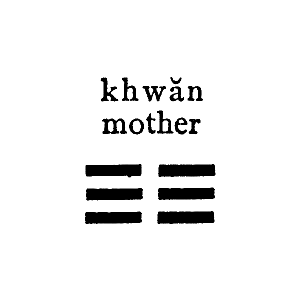
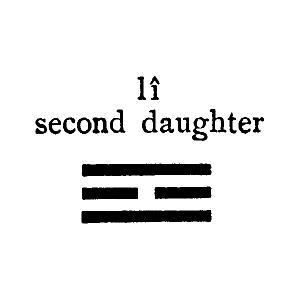
The Judgement
The name of this hexagram means intelligence wounded, light darkened: it is the situation of someone who has worth, good intentions and ability, but finds themselves working under someone who does not understand them, does not support them, or even obstructs them. A weak and hostile boss, a suffocating family environment, a period in which everything you do seems not to count. If you feel this way, the old text does not tell you to fight, nor to give up: it tells you that it will be advantageous to realise fully the difficulty of your position and, at the same time, to maintain firm correctness. In other words, do not fool yourself that things are better than they are, but do not let the darkness around you change you inside. The practical advice: do your work well, keep your judgements to yourself, do not waste energy on battles you cannot win today, and keep your principles intact. The light you hide now is the same light you will need when the climate changes, and it will change.
Source: James Legge, The Yî King (Sacred Books of the East, vol. XVI) (1882) · read the original passage
The Image
The image is the sun entering into the earth: the light is still there, but hidden beneath the surface. So the wise person, when dealing with others in a difficult time, shows their intelligence precisely by keeping it veiled. It is not hypocrisy, it is prudence: do not flaunt how much you understand, do not correct everyone, do not be the most brilliant person in the room when the room is full of people who could use it against you. In practice, in a tense meeting or a family in conflict, listen more than you speak, and save your clarity for the few people who deserve it. The advice: dim the light, do not put it out.
Source: James Legge, The Yî King (Sacred Books of the East, vol. XVI) (1882) · read the original passage
The six lines
First line
You are like a bird still flying, but with drooping wings: you have taken a first blow, a light one, at the start of the journey, and you have understood that the climate is not favourable. The wise person, when thinking about leaving such a situation, may go three days without eating, so absorbed are they in thought; and wherever they go, there will be people who speak badly of them. If you are considering leaving a job or a relationship, accept that some will not understand. Decide calmly, but be the one who decides.
Source: James Legge, The Yî King (Sacred Books of the East, vol. XVI) (1882) · read the original passage
Second line
You have been struck, but not in the heart: a wound to the left thigh slows your step without stopping you. A rejected project, an unfair criticism, an exclusion: it hurts, but it does not take away your ability to move. The text says you save yourself thanks to a swift horse, that is by quickly finding a means, a help, an alternative, and that good fortune is with you. The advice: do not stay still licking the wound; find the way out right away and take it.
Source: James Legge, The Yî King (Sacred Books of the East, vol. XVI) (1882) · read the original passage
Third line
You go hunting toward the south, toward the light, and you capture the great chief of the darkness: that is, you manage to identify and neutralise the true source of the problem, the person or the habit that made everything dark. It is an important victory, but the text warns you: do not be in a hurry to set everything right all at once. After resolving the main knot, give people and situations time to settle. One change at a time.
Source: James Legge, The Yî King (Sacred Books of the East, vol. XVI) (1882) · read the original passage
Fourth line
You have just entered the left side of the belly of the dark land: you have come close enough to understand how the environment you are in really works, and what you have seen has convinced you. Precisely for this reason you are able to follow the right intention: to leave the gate and courtyard of the lord of darkness, that is to move away before being swallowed. If you have understood that a place or a company is beyond remedy, use that clarity to leave with little damage.
Source: James Legge, The Yî King (Sacred Books of the East, vol. XVI) (1882) · read the original passage
Fifth line
This line recalls the count of Kî, who under a hostile ruler pretended to have lost his mind so as not to betray his principles and not lose his life. It is the case of someone close to a power they can neither change nor abandon: a difficult family member, a boss who cannot be left right now. The path is firm correctness: do not collaborate with what is wrong, but do not expose yourself needlessly either. Keep your head low and your conscience high, and wait for your time.
Source: James Legge, The Yî King (Sacred Books of the East, vol. XVI) (1882) · read the original passage
Sixth line
Here there is no light, only obscurity: it is the fate of someone who, holding power, opposed those who wanted to serve them well. At first they had risen to the top of the sky; their future is to go into the earth. If this line concerns you, ask yourself whether you are using your position, at home or at work, to push away those who tell you the truth. If it concerns someone else, know that arrogance at the top does not last. The advice: do not tie your fate to someone who rejects all counsel.