Virgil, Aeneid VI.893-896
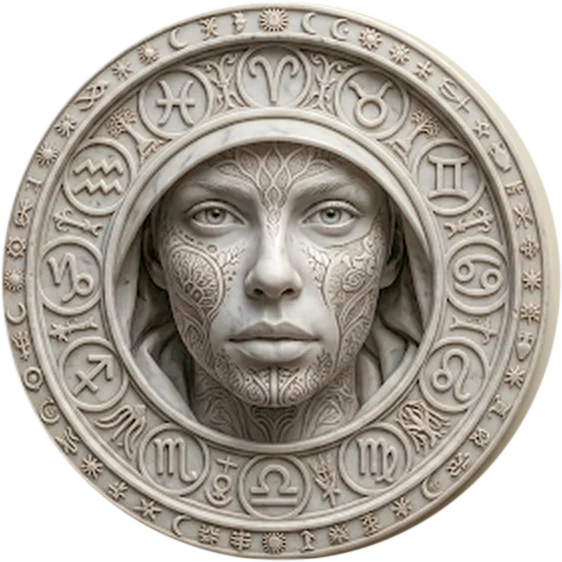
Melphi speaks
Sunt geminae Somni portae, quarum altera fertur
cornea, qua veris facilis datur exitus umbris;
altera candenti perfecta nitens elephanto,
sed falsa ad caelum mittunt insomnia Manes.
The priest translates
«There are two gates of Sleep: one, they say, is of horn, and through it true shades find an easy way out; the other gleams, wrought of shining white ivory, but through it the Manes send false dreams up toward the sky.»
And interprets
This line sets two gates before you and asks you to tell them apart. Not everything that shines is true, and not everything plain is false: the gate of horn is simple, the ivory gate is splendid, yet it is from the latter that deceptions come out. If lately you are weighing an offer, a new person, an investment that looks perfect, beware of the dazzle. Ask yourself what remains once the wrapping is removed. At the same time, do not throw away your dreams: some are true and ask only for simple paths. The line does not sentence you to suspicion; it invites you to look more closely.
The historical translations
Gli diè lume e compenso. Escono i Sogni
D’inferno per due porte; una è di corno,
L’altra è d’avorio. Manda il corno i veri.
L’avorio i falsi; e per l’eburna Anchise
Now Sleep has portals twain, whereof the one
Is horn, they say, and easy exit gives
To visions true; the other, gleaming white
With polished ivory, the dead employ
To people night with unsubstantial dreams.